

Since March is the beginning of spring, and some days it feels like it while others it doesn’t, I decided to be like M*A*S*H and make my own spring with this week’s episode choice. Instead of dedicating a tree, I am going to review my favorite episode of the series, “Dear Sigmund” (05×07). It may be cliche, but this episode has so many great elements. Allan Arbus is my favorite guest star, it’s a classic “Dear…” someone episode, and there is a great balance between the humor and drama. Having a psychiatrist evaluate the 4077th may not be a unique concept since it was also done in season two, I feel like this episode is better done because we hear the evaluation from the point of view of a character that we already know. While this is a great episode, the scripts I have for “Dear Sigmund” are also interesting. I have four scripts for this episode in my collection, and only two of them are original from the set. Why do I have two copies of a script in my collection? Let’s dig in to “Dear Sigmund!”
The Script
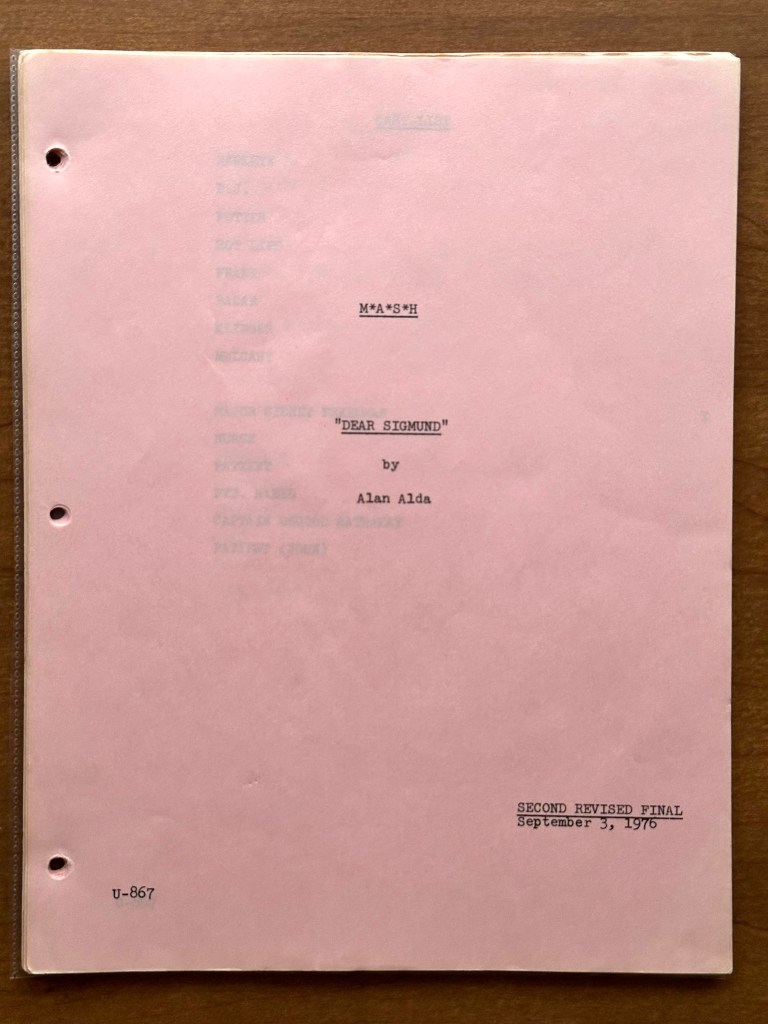
The two original scripts that I have for this episode are Second Revised Final drafts dated September 3, 1976. The episode originally aired on CBS November 9, 1976. “Dear Sigmund” was famously written and directed by Alan Alda. In fact, he won two awards for this episode including the Outstanding Directing for a Comedy Series Emmy in 1977. The entire script is on pink pages instead of the typical off-white pages that the script began with. I believe that is due to the fact that it had been retyped with all the revisions throughout the writing and filming process.
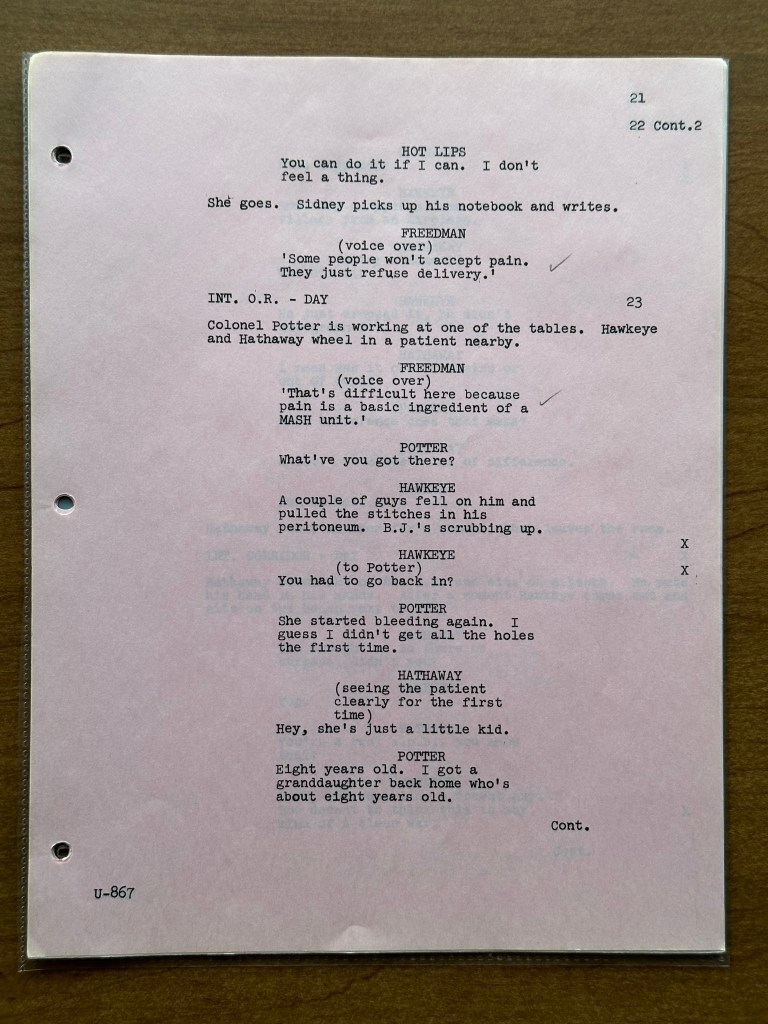
Unfortunately, neither script has any production documents such as Call Sheets and Shooting Schedules. However, one of the scripts has some interesting markings. In the episode, Sidney’s letter to Sigmund Freud are voice over recordings. Those would have been recorded in a sound booth after the episode was filmed. I believe that one of these scripts was used for these recordings because all of the voice over lines for Sidney have been checked off. This was likely done as they were recorded. Arbus would have recorded each line a few times in a few different ways, and Alda and the editors would choose the recording that they wanted to use in the final edit. Ensuring that that they had a few takes of each line was key. In fact, this is still how voice over work is done today.

The original scripts may not be the most interesting with regard to extra content, but I do have two other scripts in the collection, but there is a twist: they are not original. Typically, I don’t keep copied scripts. In fact, I have bought a few “fake” scripts over the years. Instead of returning them, I destroy them so no other fan has the misfortune of buying a script that has been misrepresented as original. But these are no ordinary copies. They are from, and signed by, Alda himself. In the 1980s and 1990s, it was not unusual for charities and organizations to write to well known actors and ask for a signed picture or something that they could auction off to raise money. When this was asked of Alda, he would often provide a signed copy of either “Dear Sigmund” or “Inga” (07×17). The copies that were sent were copies, and by that I mean photo copies. The original scripts were mimeographed, but these scripts are on what we think of today as copy paper. The pages are bright white, and no original M*A*S*H script is printed on modern, bright white copy paper.

While these scripts may not be original from the set, they do feature an original autograph! They also came with letters from Alda’s agent expressing their regret that he couldn’t attend their fundraiser in person, but he was sending a signed script in the hopes it would help raise money for their cause. This reiterates why the scripts are my favorite part of the collection. No two scripts are alike, and each one tells a unique story about how the series was made. While the copies that Alda sent for charity fundraisers may not offer insight into how the episode was filmed, they do demonstrate how the popularity of the show carried on long after the series ended in 1983.
The Final Episode

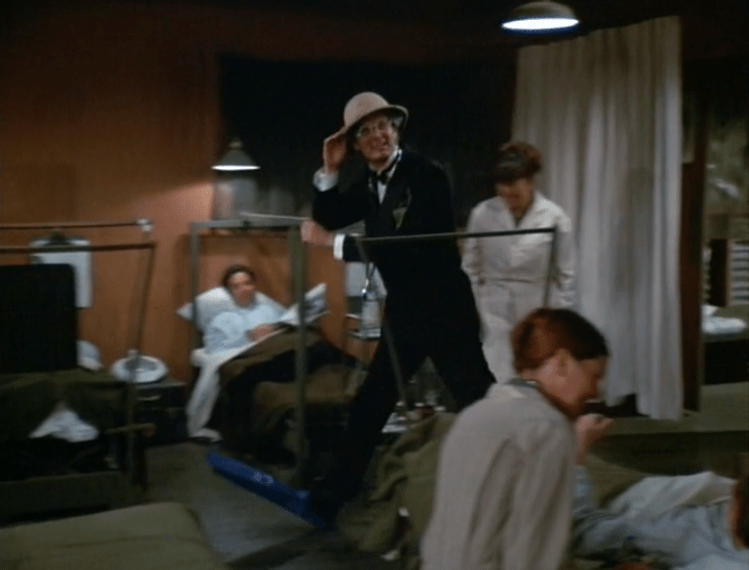
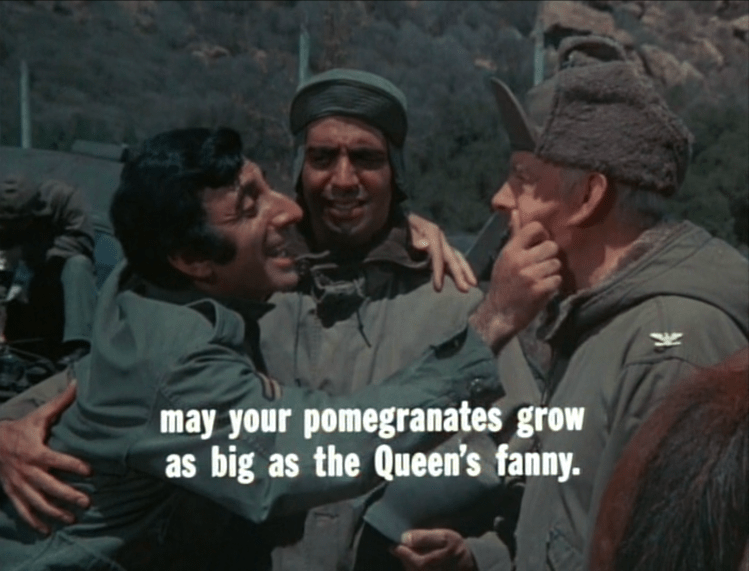
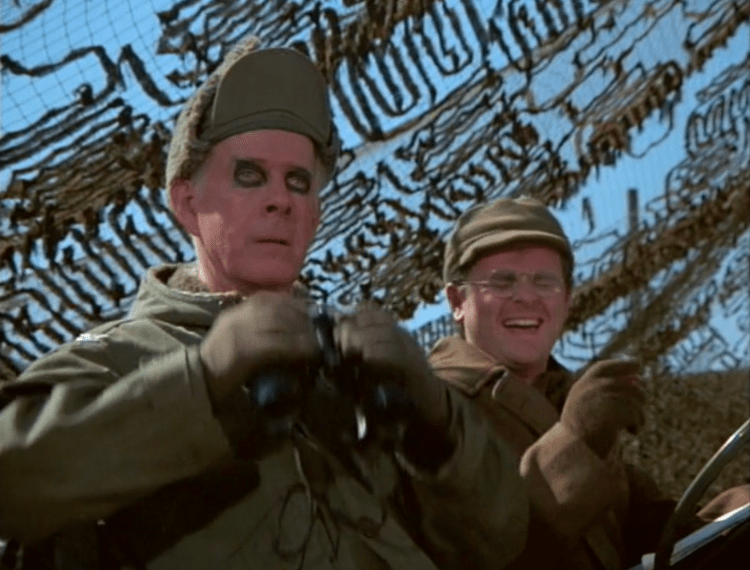

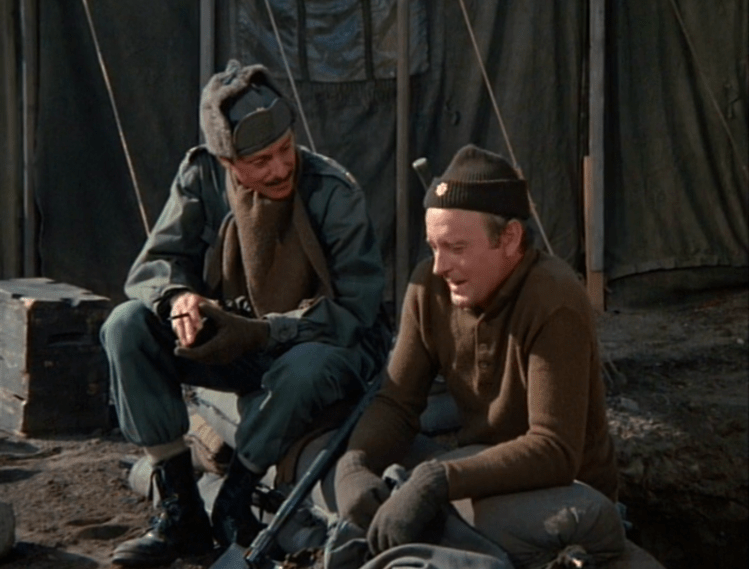

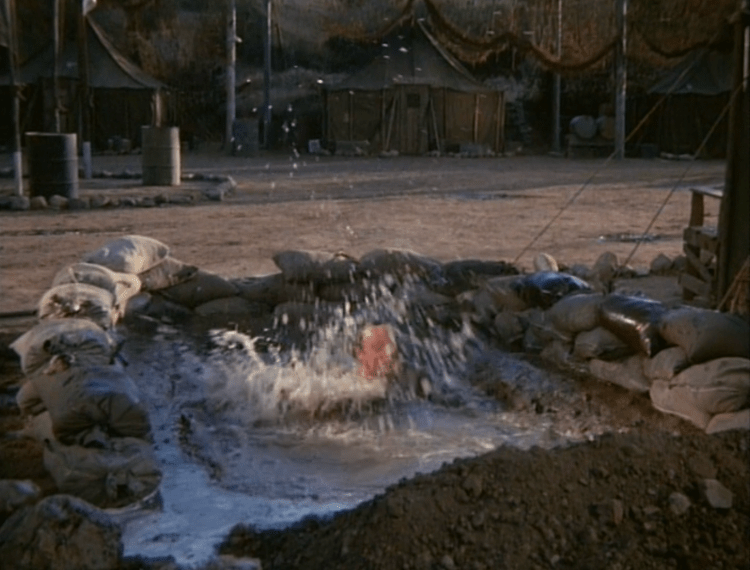
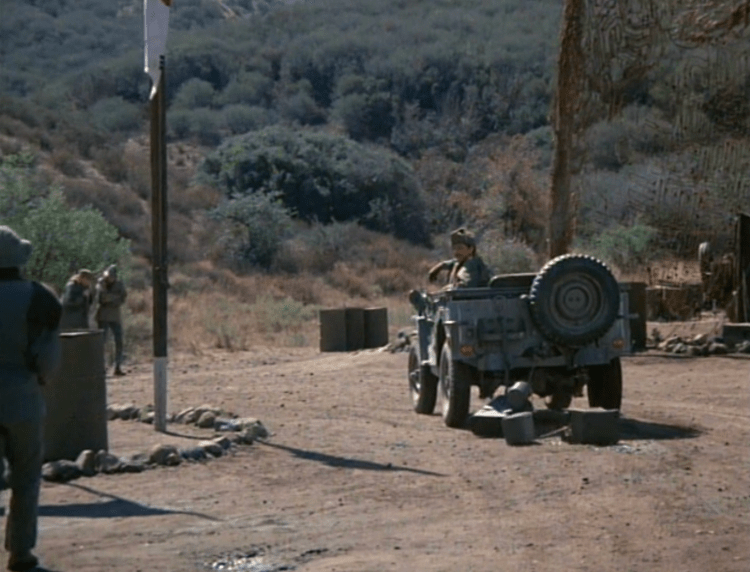
The episode opens with one of the 4077th’s celebrated poker games. We see several of the main players, and Dr. Sidney Freedman who is a guest player. As Sidney decides to bow out of the game, he begins to write a letter…to Sigmund Freud. As he describes each of cast members, we see clips of what we later find out be the two weeks that Sidney has been a guest in Swamp. He eventually admits to Hawkeye and B.J. that one of his troubled patients took his own life, and he needed to get away. The 4077th was, in a way, a vacation for him. A place that, as he puts it, “gives life.” In his letter, Sidney describes various antics at the 4077th including a string of practical jokes, which we later find out are being carried out by B.J. An ambulance overturns leaving the compound killing the driver and re-wounding several soldiers who were being sent to the evacuation hospital. A wounded pilot shows up, and as he is treating him, Hawkeye learns that this pilot has never seen the people he is targeting…that is until Hawkeye brings him into the O.R. Finally, after a sad demonstration for the first day of (a very cold) spring, Sidney decides to leave and continue his work.
I said it in my introduction, and I’ll likely repeat it one more time before I finish this post, but this is a very well balanced episode. The classic scenes of Hawkeye entering Post-Op dressed in a suit and swim fins and the perfectly orchestrated scene of Frank jumping into a foxhole that B.J. filled with water are balanced with the more dramatic storylines of the episode. M*A*S*H was able to push boundaries with episodes like this as it made you laugh at a joke played on Col. Potter in one scene, and then cry as he reads the letter Radar wrote to send home to the ambulance driver’s family. There were no other shows in the late 1970s that could do this. The writing on M*A*S*H was so refined by this point in season five, and it really shows here. In the script, since it is a Second Revised Final, there are not many changes between it and the final episode. But there were two minor changes worth noting. There was originally an additional practical joke shown where Radar blows in his bugle to find it had been stuffed with dirt (page 9), and the tag was originally longer with additional lines from the cast (page 32).
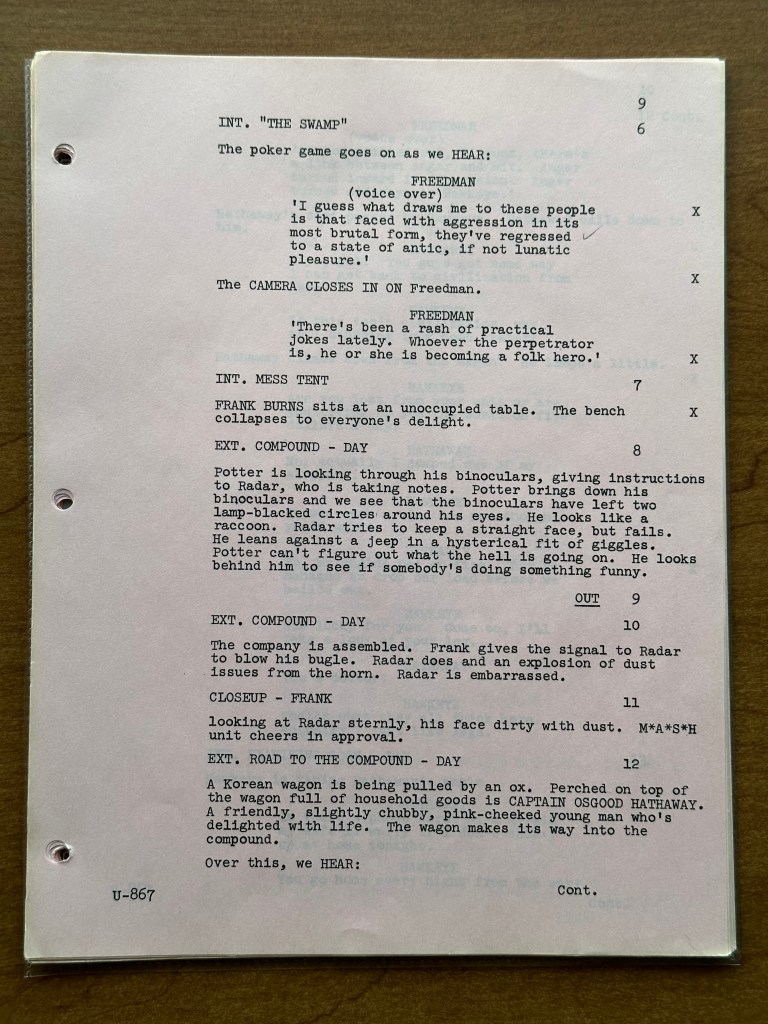

This is the episode I recommend to friends who are new to M*A*S*H. I believe that “Dear Sigmund” has a great balance between comedy and heart. B.J.’s practical jokes and the poker game scenes are a great counterbalance to the scenes with Hawkeye and the pilot and Radar’s letter home to the ambulance driver’s family. Sidney’s letter describes each series regular in a way that is beneficial to someone who is new to the series. It is also fun to see how Sidney assesses each of the characters. I freely admit that “Dear Sigmund” is my favorite episode of the series for these reasons plus the fact that Arbus’s character of Dr. Freedman is one of the greatest recurring characters. M*A*S*H has many great episodes over the 11 year run, but I don’t think any of them do a better job at demonstrating what M*A*S*H was truly about from 1972 until its end in 1983: showing the human cost of war while finding the humor in small situation.
 The M*A*S*H Historian
in dear Sigmund, we’re the pranks all planned? The scene with radar and col potter looked like Gary was aware of what was going to happen. If he did he did an unbelievable acting job in that scene
LikeLike
All of the pranks are in the script and described in detail! Reading a prank on page and seeing it acted out are different, so I am sure the laughter by Gary Burghoff was a mix of great acting and genuine laughter at the sight of Harry Morgan’s face!
LikeLike
my comment didn’t read accurately but you understood my question anyway! Thanks for the quick reply!!
LikeLiked by 1 person
Hi there! I was wondering if you have scanned the scripts that you own. I am taking a theater class and need to select a monologue, and I have been thinking about adapting part of a M*A*S*H script as one. “Dear Sigmund” and “Hawkeye” come to mind as they have a consistent narration/through line I can follow. Thank you very much for your time,
Ian S, Case Western Reserve University (ijs33@case.edu)
LikeLike